Designing with EIFS for Historic Integrity
Discover how EIFS helps maintain historical integrity in renovations and new builds with design versatility, energy efficiency and cost-effectiveness.

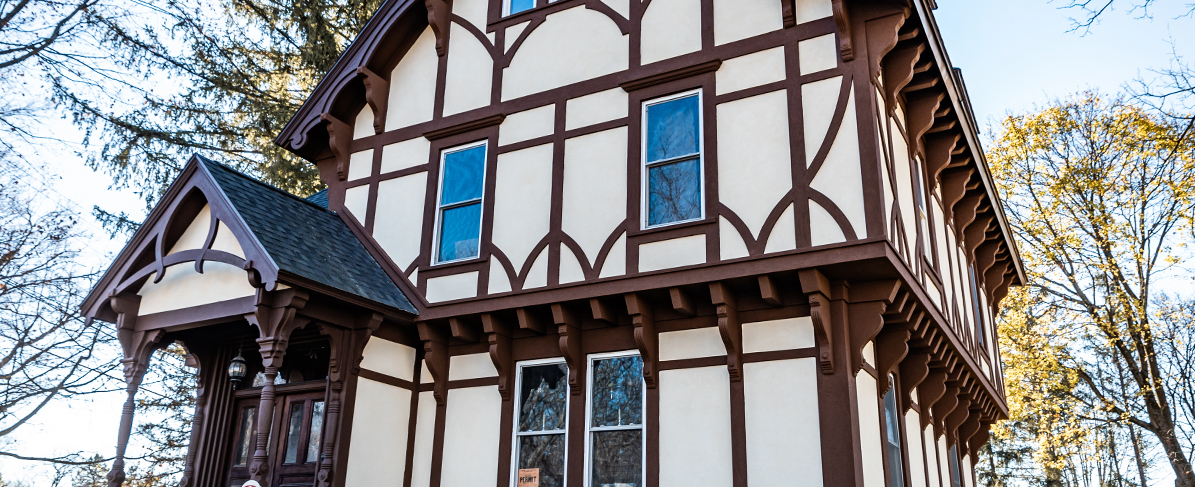
Discover how EIFS helps maintain historical integrity in renovations and new builds with design versatility, energy efficiency and cost-effectiveness.
For restoration of aging structures and new builds in historically protected areas, the choice of exterior cladding is critical to both preserve architectural heritage and meet modern performance standards. Exterior Insulation and Finish Systems (EIFS) offer an invaluable solution for residential and commercial façades in historical landscapes, providing the design flexibility to replicate older aesthetics with the benefits of contemporary building science. Here’s how EIFS can assist building preservation and new build projects while maintaining historic integrity. 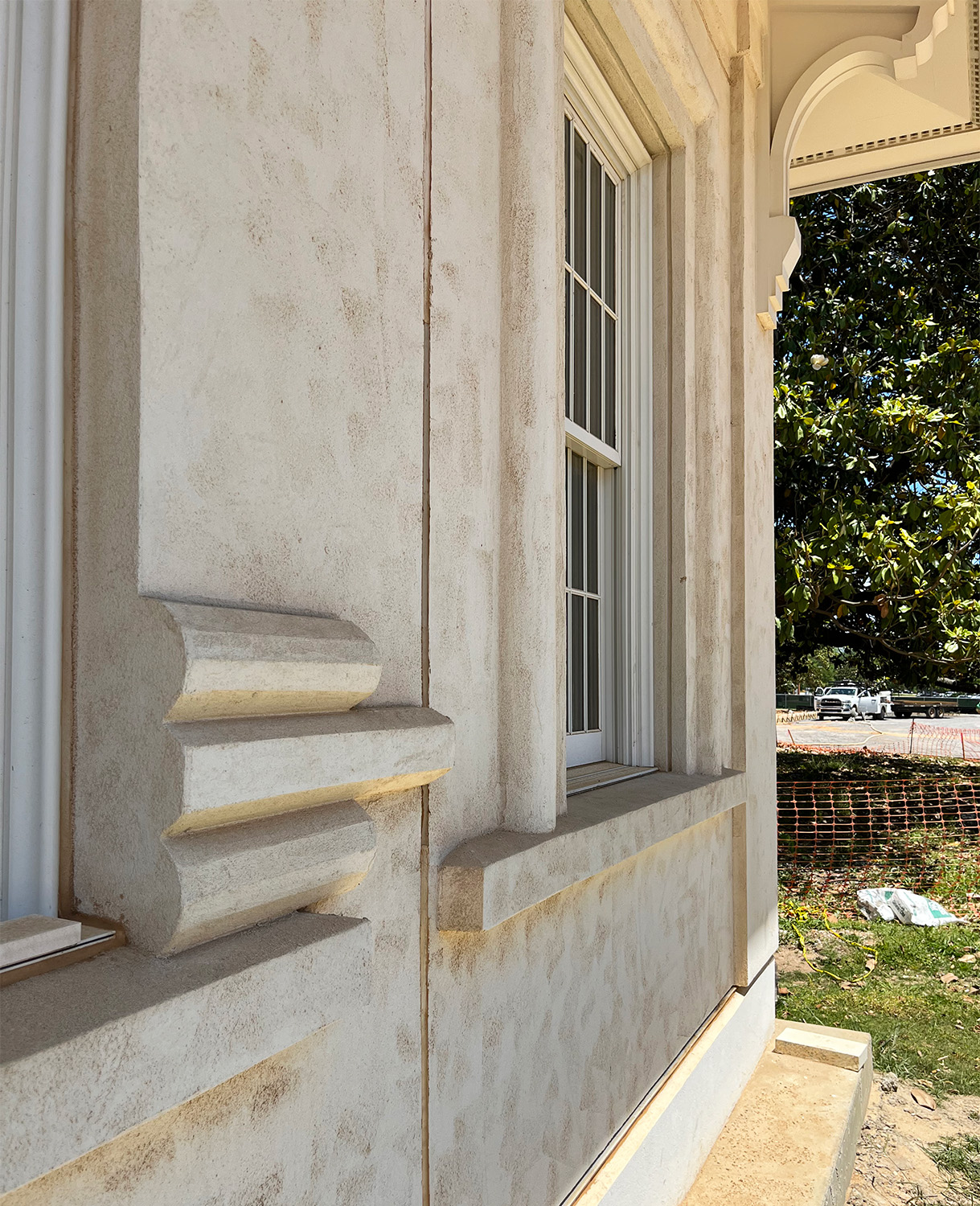 Additional historic preservation tools and resources can be found on the US Government website here.
One of the primary advantages of EIFS construction is its remarkable design versatility. The code-approved cladding system can be shaped and finished to mimic a wide array of materials, making it ideal for projects that demand historical accuracy, such as heritage-designated buildings.
For example, finished insulation can be prefabricated to emulate the intricate details often found on 19th and 20th century buildings, such as arches, cornices, dentils, decorative trim and keystones. Plus, since customizable EIFS architectural shapes are made primarily from lightweight EPS foam, a reinforced base coat and an acrylic finish, they are more economical and put less strain on the building exterior than actual heavy stonework. They are also easier and less expensive to install on the jobsite.
The colors and textures of the exterior finishes on EIFS are equally adaptable. For instance, after decades of sun exposure and weathering, a fading paint can be refreshed with a color-matched exterior finish. EIFS finishes can even be formulated to match the look of other building materials such as stucco, brick, limestone and granite. For historic preservations, a deteriorating stone arch can be recreated with faux stone wall panels and a Victorian-era home can be revitalized with a historically accurate color palette.
EIFS’ design flexibility allows architects to specify a façade that respects the desired look of a building or neighborhood without being limited by the cost or availability constraints of original materials. For construction in historic districts, a new build can blend seamlessly with its neighbors to maintain the area’s heritage. Similarly, using EIFS for façade restoration can return a one-of-a-kind building to its roots with historic integrity and modern craftsmanship.
In addition to aesthetic needs, buildings aiming to meet or exceed contemporary energy codes and performance expectations will benefit from EIFS cladding. These wall systems excel by providing continuous insulation (CI) and an air/water-resistant air barrier on the exterior of the building envelope, which reduces thermal bridging and air leakage for more stable interior temperatures and decreased heating and cooling costs.
For renovation of low-performing building envelopes, an EIFS reclad or overclad can significantly improve thermal performance with increased R-value while minimizing disruption to the building’s operations and occupants. If a building has even greater sustainability goals, an EIFS façade can contribute to Deep Energy Retrofits too.
Designing historical buildings or in historic districts can come with a high price tag, as sourcing original materials can be expensive, and the skilled labor for traditional masonry is increasingly rare.
Specifying EIFS is a more cost-effective alternative for the building exterior. Not only are the products and labor more accessible, EIFS are also lightweight, which reduce the structural load on the building.
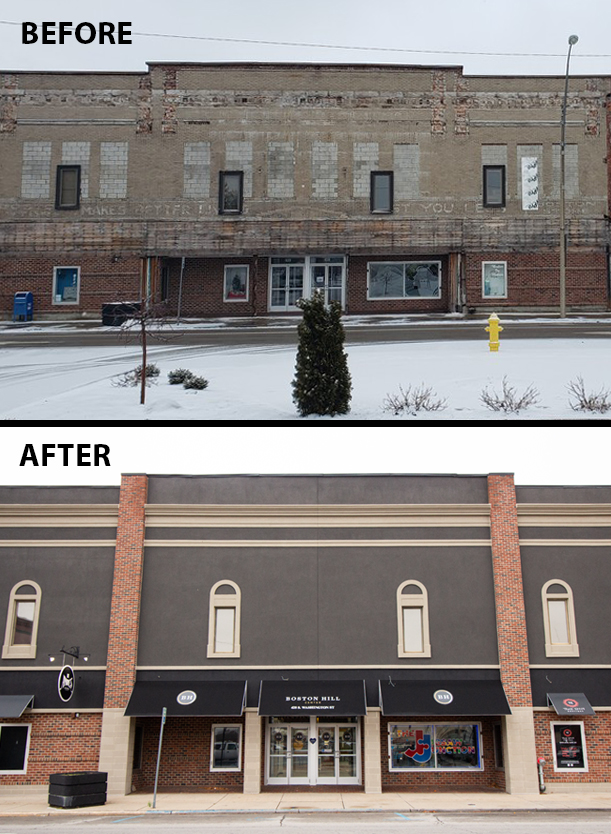
After working with Dryvit on the façade of the Monon Crossing retail plaza, Kelly Boyle of the Midland Atlantic Properties said, "We were very surprised at the variation in material that you could achieve that would’ve been much more costly and heavier weight-wise with a traditional masonry product."
Whether using field-applied EIFS or prefabricated EIFS wall panels, the installation is fast and easy to shorten project timelines and minimize labor costs. The combination of lower material and labor costs makes it possible to achieve a high-end, historically accurate façade while staying within budget.
Exterior Insulation and Finish Systems are a powerful tool for the restoration of historical architecture and the respectful integration of 21st century buildings near historic sites and culturally significant landscapes. By combining visual adaptability, energy efficiency and cost savings, EIFS ensure that the character of the structure and neighborhood is honored while delivering the performance and resilience required of today’s building standards. EIFS bring an aesthetic and functional harmony to homes and commercial buildings alike, proving that you don't have to choose between preserving the past and constructing for the future.