Essential EIFS Maintenance and Repair Guide
This guide shares how to clean and maintain Dryvit EIFS to keep your façade looking and performing its best for years to come.

This guide shares how to clean and maintain Dryvit EIFS to keep your façade looking and performing its best for years to come.
All building exteriors need to be cleaned and inspected periodically for damage and deterioration. This is an expected part of the life cycle cost for any structure with any cladding. Therefore, buildings coated with Dryvit EIFS and acrylic finishes are no exception.
To ensure Exterior Insulation and Finish Systems (EIFS) maintain their longevity and fresh aesthetic, proactive care is wise. This guide shares practical EIFS cleaning and maintenance tips for addressing minor issues caused by wear and tear, helping keep your Dryvit EIFS façade looking and performing its best for years to come.
Note that these conditions can be highly dependent on local environmental conditions and facility usage, as some Dryvit buildings still look brand new after over 20 years. For more detailed EIFS maintenance instructions, download our free Exterior Walls Restoration Guide.
There are numerous solutions for repairing damaged EIFS without a full replacement. This starts with regular inspections of your building's exterior to identify potential issues before they escalate. When inspecting an EIFS façade, look for these common issues:
Having the right tools and materials on hand makes minor repairs and upkeep much easier, minimizing downtime and ensuring a professional result.
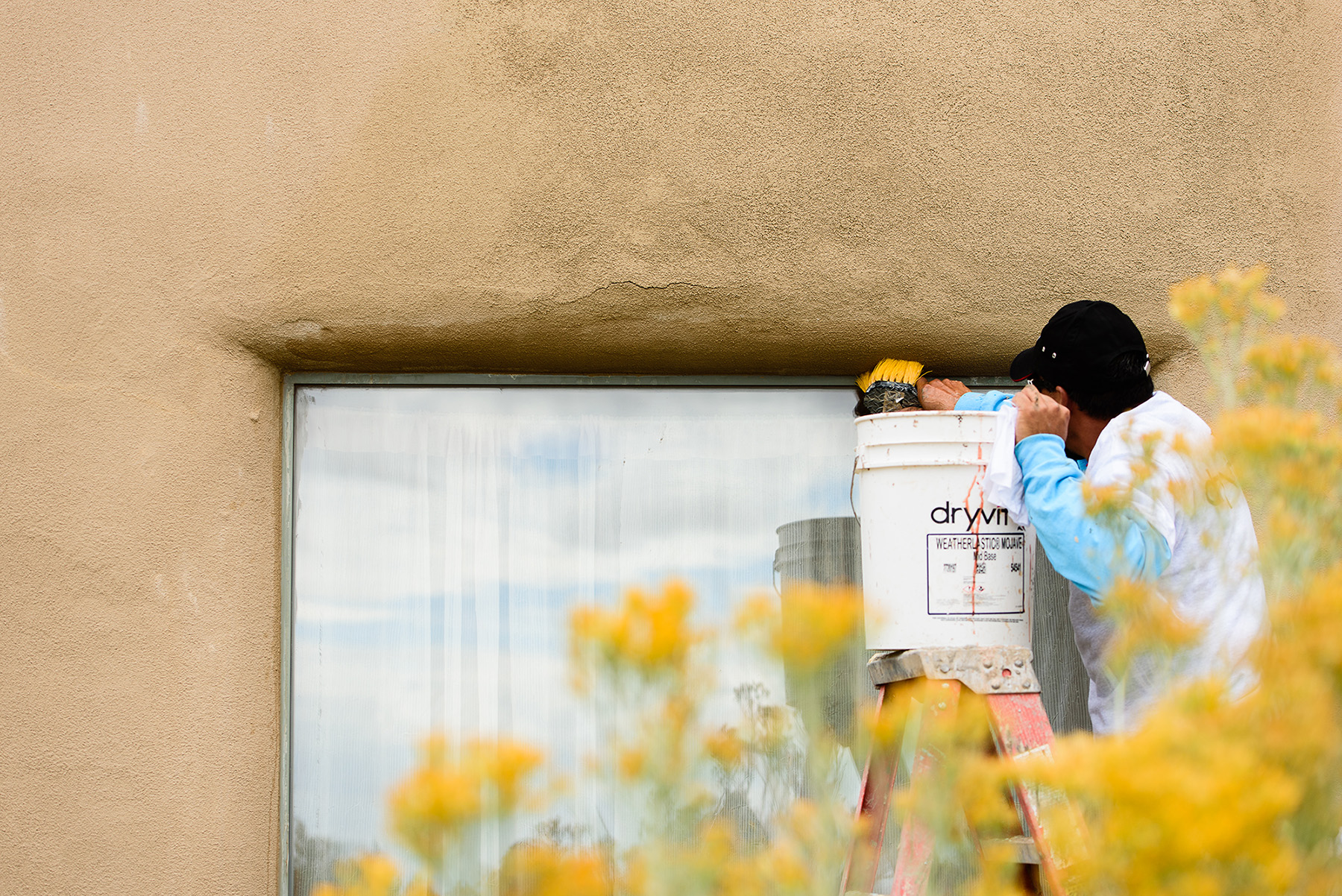
Here are the general steps for cleaning EIFS cladding, repairing minor impact damage and cracks and refinishing the system. Check out our video tutorial for more:
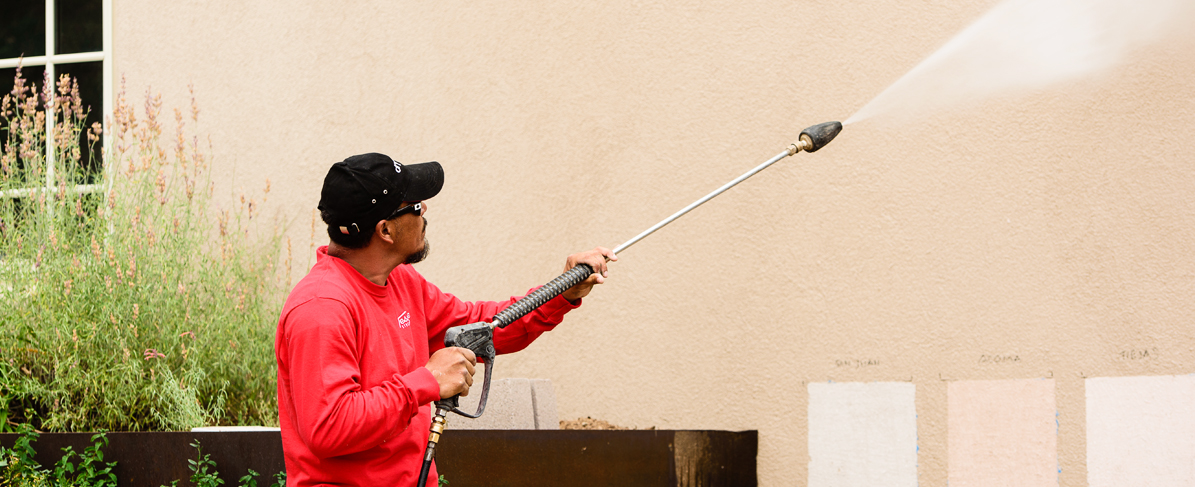
Proper exterior cleaning is the first step in any repair process. Use a low-pressure washer (under 500 psi) with a fan spray tip, keeping the nozzle at least 12 in. (30.48 cm) from the surface. Pre-wetting the wall is essential for effective cleaning and is the number one oversight in proper cleaning procedures. Avoid using acidic cleaners, as they can damage the EIFS finish. For stubborn stains, a gentle scrub with a soft-bristle brush and a mild detergent solution can be effective. Always rinse the surface thoroughly with clean water afterward.
An advantage to Dryvit products is that they can generally be cleaned from the ground, and with non-caustic cleaning compounds, for less exposure to harsh cleaners that could impact other building components, occupants and landscaping. Review DS498, DryvitCARE EIFS Repair Procedures, for more details.
For small holes or dents, first prepare the substrate by removing any loose material from the damaged area. Use a utility knife to create clean, straight cuts around the affected area. If the insulation board and reinforcing mesh are impacted, you may need to cut them out and replace with a comparable-sized piece of insulation.
Apply a compatible EIFS patching product, like Dryvit’s RapidPatch™ or one of the Dryvit cementitious base coats, with a trowel, filling the void completely. In this stage, you would embed a layer of reinforcing mesh if the original piece was damaged.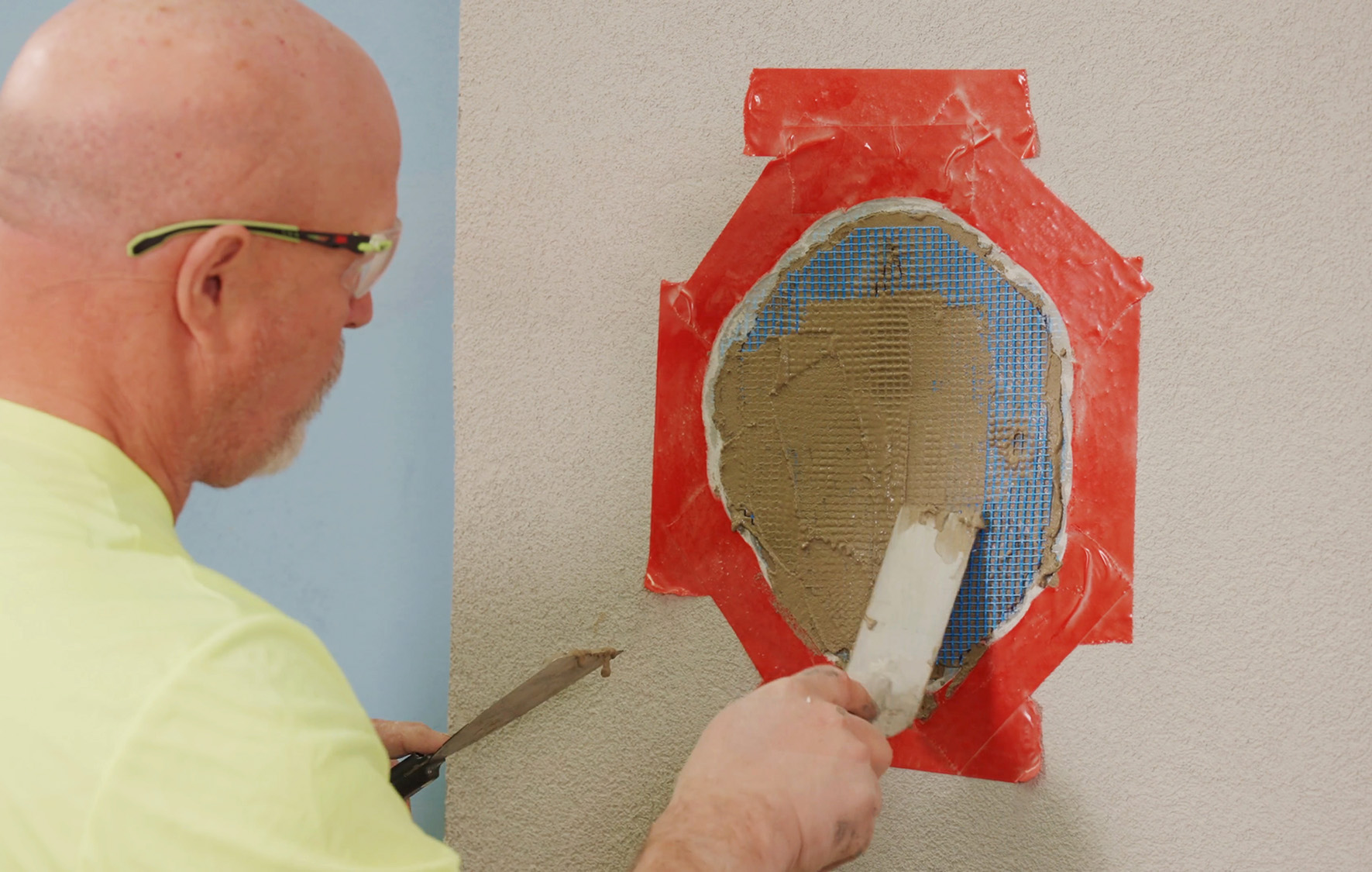 Feather the patch material at the edges to blend it with the surrounding surface. Once cured, you can lightly sand the area and apply a new finish coat to match the existing texture and color.
Make sure to follow the steps in the repair video (link included above) in order to isolate the existing finish and ensure that the new mesh is overlapped with the existing mesh.
Most hairline cracks are aesthetic and result from normal building movement. For these minor cracks, apply a flexible, paintable sealant, like Dymonic 100, directly into the crack using a caulking gun. Tool the sealant to ensure it makes full contact with the sides of the crack and creates a smooth surface.
Alternatively, you can employ the same repair method as above for impact damage. For larger or more significant cracks, consult a professional to determine the underlying cause and recommended repairs.
To refresh the appearance of an EIFS façade or to cover completed repairs, use a high-quality, breathable acrylic coating, ideally the same as used in the original application. Never use oil-based paints, as they can trap moisture and compromise the system's performance. Ensure the surface is clean and dry before application, and follow the manufacturer’s instructions for best results.
When properly maintained, EIFS is a beautiful, reliable exterior cladding that provides exceptional durability and energy efficiency. By taking simple, proactive steps to inspect and care for the system, you can significantly extend its life and preserve its beauty. These routine maintenance tasks help protect the building envelope and ensure the façade continues to perform as designed.
For complex issues, significant damage or extensive repairs, contact your local Dryvit representative or distributor for project-specific support.