MCM vs. Aluminum Single-Skin Panels: How to Choose the Right Metal Cladding
This guide breaks down the differences between MCM panels and aluminum single-skin panels, so you can match the right prefabricated wall cladding to your next specification.

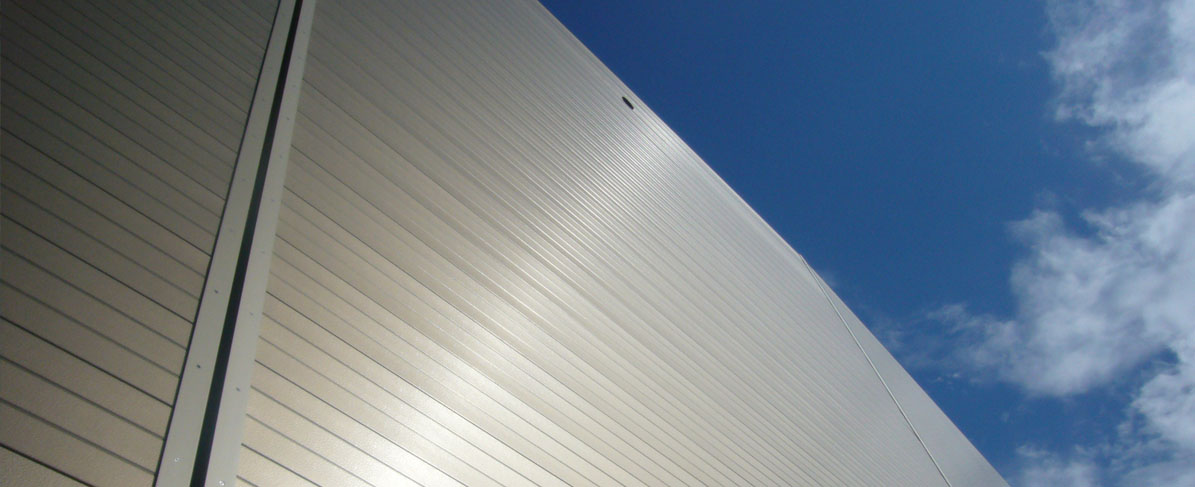
This guide breaks down the differences between MCM panels and aluminum single-skin panels, so you can match the right prefabricated wall cladding to your next specification.
Every exterior cladding decision an architect makes is a balancing act to satisfy the client’s budget, performance targets, fire compliance, moisture management, wind load requirements and design intent. When metal siding and exterior wall panels are part of the equation, there are several different technologies to consider, which will have a unique impact on the project’s results.
Two of the most frequently specified metal panel categories are MCM (metal composite material) panels and aluminum single-skin panels. Both metal panel types combine versatile aesthetics and functionality and are widely used across commercial, institutional and mixed-use projects. However, these types of metal wall panels install differently and suit different design scenarios.
This guide breaks down the key differences between MCM panels and aluminum single-skin panels and walks through Dryvit’s Metalite offerings in each category, so you can confidently match the right prefabricated wall cladding to your next specification.
MCM sandwich panels consist of two metal layers bonded to a core material, typically polyethylene or a fire-resistant mineral core. This composite construction gives MCM panels exceptional flatness and rigidity. MCM panels can be made with different metals, including aluminum, copper, zinc, stainless steel or titanium. Aluminum is the most common metal used in MCM systems and these wall panels are known as ACM panels, or Aluminum Composite Material panels. So while all ACMs are metal panels, not all metal panels are aluminum composite panels. You can learn more about the basics of MCM panels in this blog post.
Single-skin aluminum panels, in contrast, are formed from a single sheet of aluminum, but are just as highly engineered. They are lighter in profile and generally more forgiving across complex geometries and curved surfaces. The trade-off is that single-skin panels may require more careful detailing to manage flatness over large spans.
From a performance standpoint, the right choice comes down to several project-specific factors:
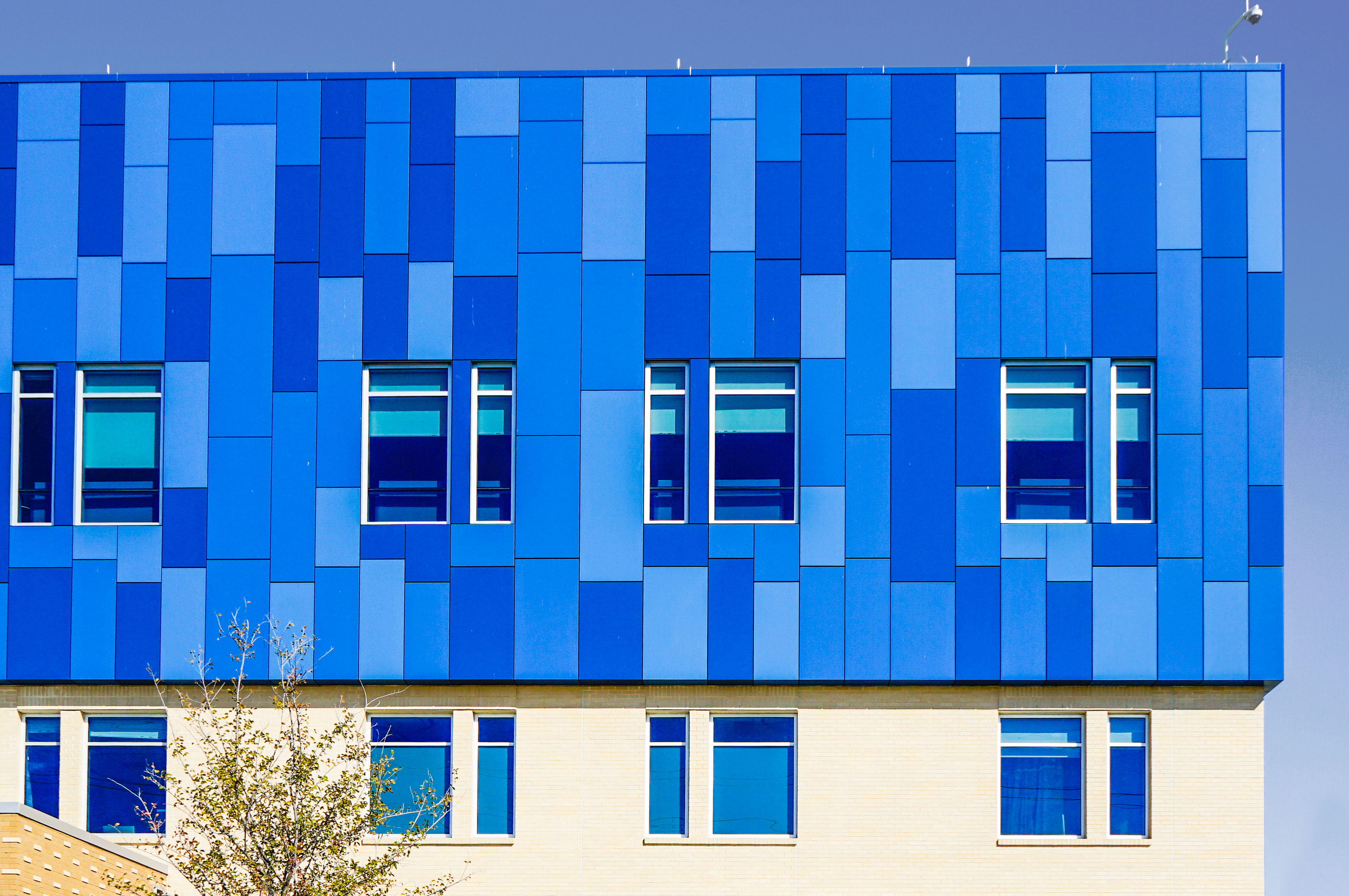 Metalite 8000 — Lightweight Performance
Metalite® 8000 is Dryvit's flagship MCM rainscreen system, intended for designs that need high durability without excess weight. At approximately 2.29 lb/sf, it is among the lighter MCM options on the market, which is a big advantage for projects where façade dead load is a constraint.
Architecturally, Metalite 8000 panels installs as a drained/back-ventilated rainscreen with a clean, rivetless look that supports flush, monolithic elevations without visible mechanical fasteners interrupting the façade plane.
From a compliance standpoint, Metalite 8000 carries ESR-4474 (Evaluation Service Report) for structural performance and ESL-1316 (Evaluation Service Listing) for NFPA 285 fire performance, and is ICC compliant.
Check out why ACM panels are known for their fire-resistance.
At around 2.89 lb/sf, the Metalite® 3100 panel system offers a slightly heavier MCM option for projects where additional panel depth and structural capacity are required. It suits applications where wind load pressures are more demanding or where a thicker visual profile is part of the design intent.
Durable architectural coatings like anodized or brushed aluminum, stainless steel and copper ensure that Metalite 3100 metal wall panels will last for the life of the building.
The Metalite® 1100 system is engineered for clean, expansive wall surfaces with minimal visual interruption. The wet joint or barrier system design of Metalite 1100 includes the installation of backer rods and silicone sealant within the panel joints, protecting the exterior building cavity from moisture and air infiltration. Its mechanically-fastened perimeter extrusions provide added strength and rigidity, making it a strong fit for canopies, architectural fins, beam wraps and column covers.
For all of our high-performing Metalite MCM panel systems, the warranty package from Dryvit is equally robust: up to a 30-year metal finish warranty, a 10-year delamination warranty and a 5-year fabrication workmanship warranty. In addition, Dryvit offers extended warranties for Tremco-manufactured air/water-resistive barriers when paired with the additional protection of our Metalite MCM systems.
The Metalite FC Rainscreen system is built around a patented fix click modular rail feature that sets it apart from most single-skin panels on the market, which typically rely on conventional z-girt or clip attachment.
Mounting the aluminum panels on this type of rail enables non-directional installation to simplify on-site assembly. This system also supports individual panel replacement without disturbing adjacent panels, improving long-term serviceability.
In terms of fire resistance, the Metalite FC Rainscreen system is CAN/ULC S134 tested, satisfying North American fire testing requirements. The system is available in a wide range of sizes and colors and can be customized with perforations to achieve specific solar control or aesthetic outcomes.
Like the Metalite 8000 MCM system, the Metalite FC Rainscreen system maintains high cavity ventilation behind the panel for effective moisture management and drying potential within the wall assembly.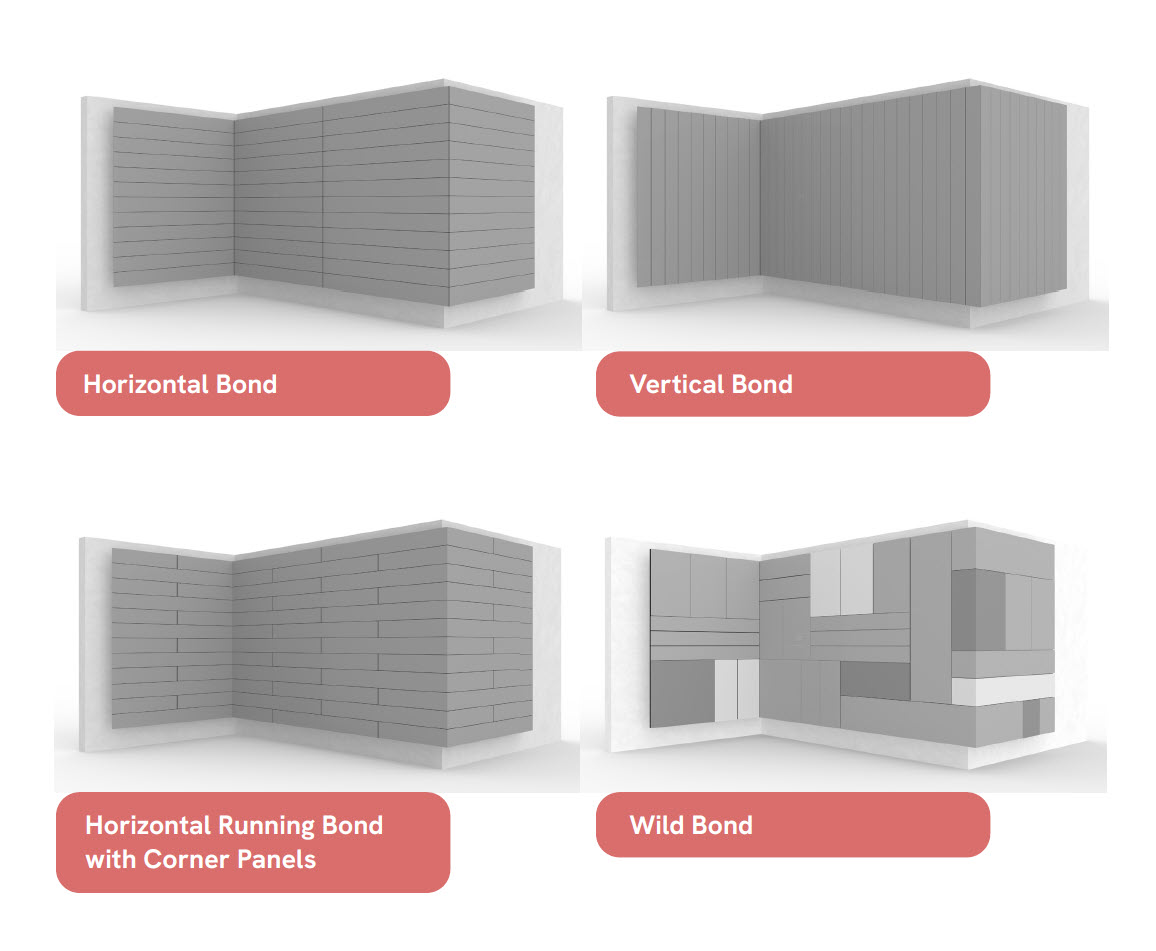
The Metalite Standing Seam Façade (SSF) system is built for projects where seam direction is an intentional design choice. Available in both vertical and horizontal seam orientations, this system offers strong weather resistance, low maintenance and a broad range of finishes.
One of its most compelling advantages is its continuity across the building envelope. When the exterior design calls for a continuous metal envelope, Metalite Standing Seam Roof (SSR) panels allow you to extend the same aesthetic to the roofline, carrying color, finish and profile from façade to roof. Therefore, Metalite's SSF panels are compatible with Metalite SSR panels for an uninterrupted wall-to-roof connection.
Additionally, curved, angular or even double curvature wall planes can be clad with Metalite SSF panels, allowing modern or contemporary building geometry designs.
Metalite Perforated Panels extend the single-skin metal siding panel category into functional screening applications with corrosion resistance and customizable visual depth. Free areas, also called perforation ratios, range from 16% to 51%, giving specifiers precise control over light transmission, ventilation, solar shading and transparency.
Available in FC Rainscreen and SSF profile options, common applications for the Metalite Perforated Panel system include sunscreens, shading devices, parking garage cladding and mechanical enclosures.
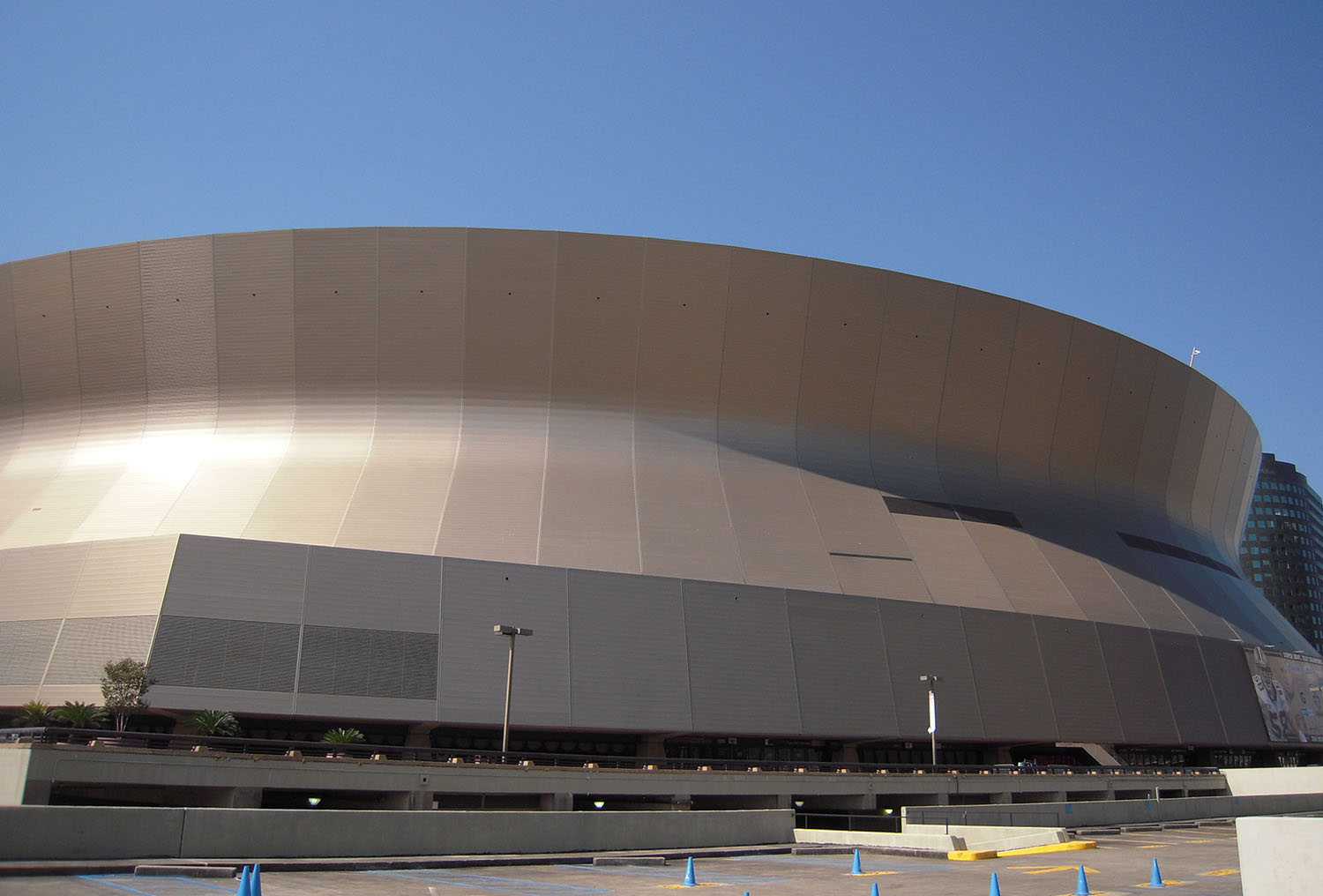 Choosing the Right Metal Panel System for Your Project
Deciding between MCM panels versus single-skin aluminum panels depends on where the project sits across a matrix of priorities. Both categories share a commitment to durability, including system offerings for back-ventilated rainscreen performance and moisture management, a baseline that architects should confirm in any cladding system before finalizing a spec.
First, you need to understand the entire building envelope’s aesthetic goals, anticipated wind loads, air and moisture management strategy, fire requirements and structural capacity. These answers combined with thorough system evaluation will help lead you in the right direction.
For detailed technical documentation on any of the Metalite systems outlined here or project-specific recommendations, contact our prefabricated panel team here.