Why Engineered Stucco Matters: A Look at Dryvit StucCoat Exterior Wall Systems
Take a look at the differences between traditional stucco and Dryvit’s StucCoat systems to help you choose the best system for your project.

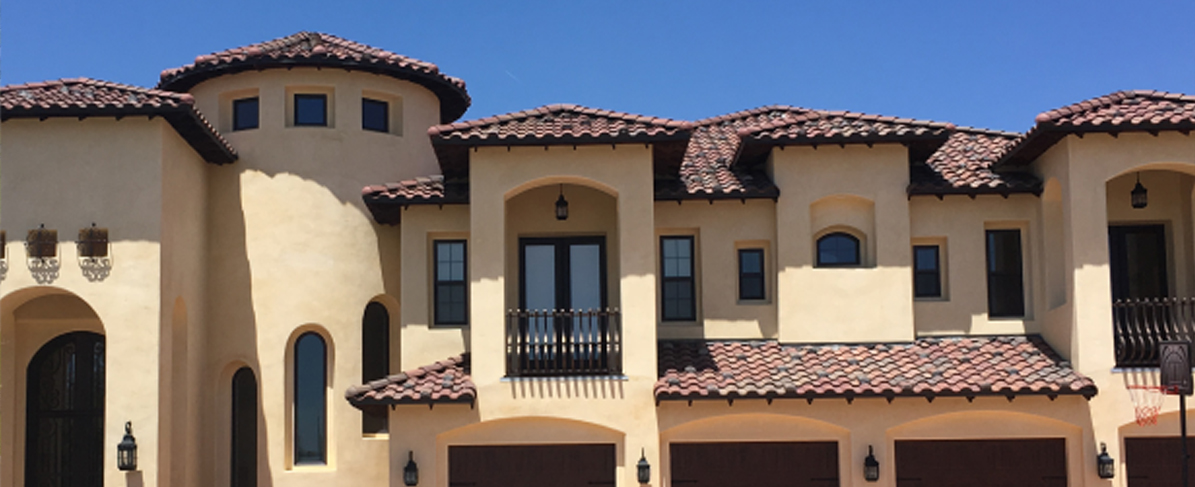
Take a look at the differences between traditional stucco and Dryvit’s StucCoat systems to help you choose the best system for your project.
To some, stucco and EIFS are seen as synonymous. However, these wall systems are quite different and are preferred for different types of projects. Thankfully, Dryvit can supply both types of solutions, including our Outsulation CI systems and a cementitious system called StucCoat®, which offers the look of stucco with a few notable advancements. So how did Dryvit innovate the long-standing stucco industry? Let’s take a closer look at the differences between traditional stucco and Dryvit’s StucCoat systems to help you choose the best system for your project.
 What is traditional stucco?
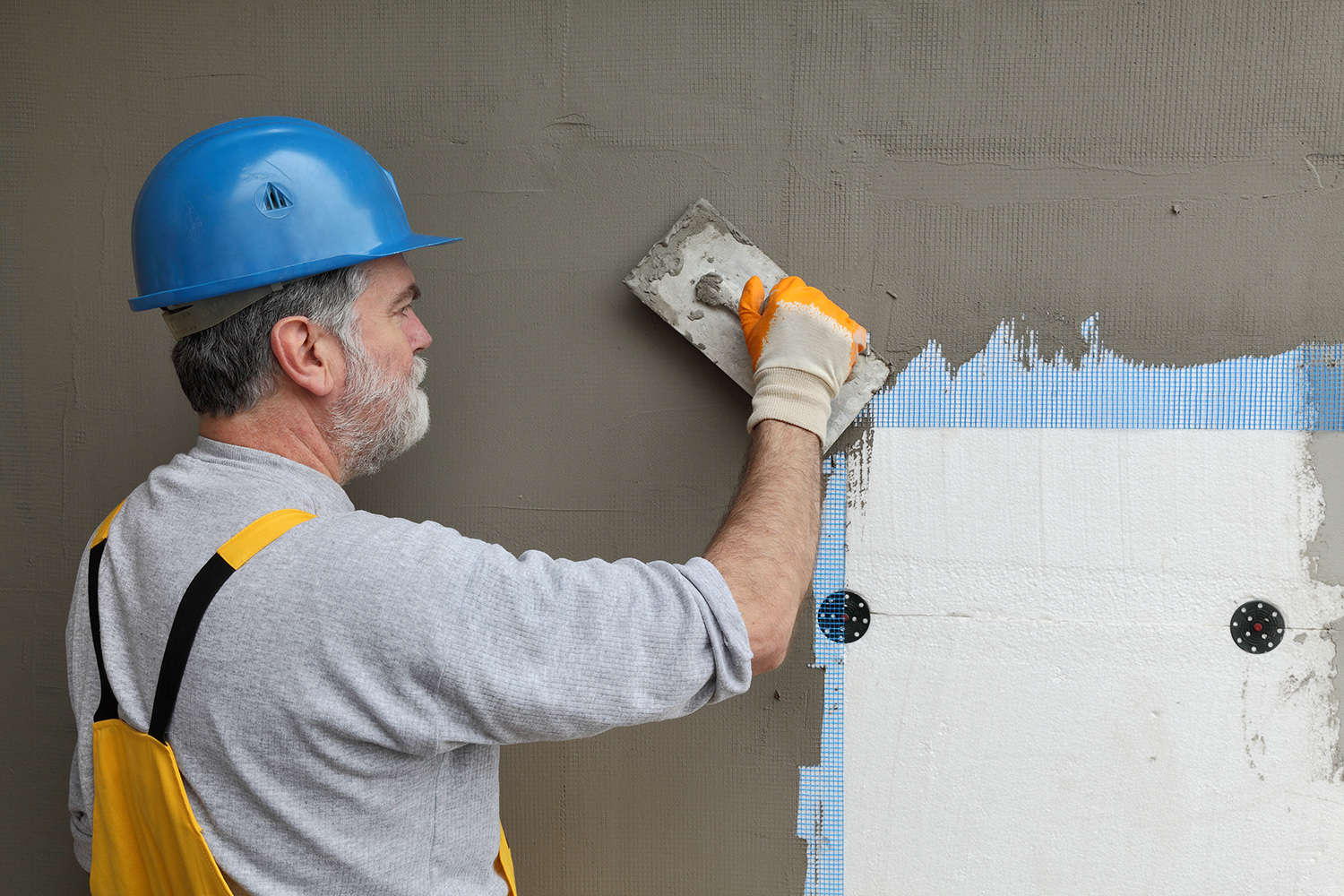
Conventional stucco seen on the outside of residential and commercial buildings is a cement-based exterior cladding applied over a metal lath. It is typically available in 1-coat and 3-coat systems depending on the durability, speed, weight and budgetary needs of the project.
3-coat stucco is highly impact-resistant and has a long lifespan over 50 years. However, it can be heavy on the building’s façade, is prone to cracking and can be labor intensive to install. This is why some turn to 1-coat stucco for a faster installation and in arid climates where drying conditions are optimal. However, this simplified system with a single reinforced base coat has less historical performance data to verify its long-term durability.
StucCoat 1-Coat and 3-Coat systems are engineered cement-based assemblies that can be installed over a variety of substrates for above-grade exterior walls, soffits and ceilings in both residential and commercial buildings. They differ from traditional stucco mainly in product consistency and system design. They are made from Portland cement-based materials with factory-engineered mixes for quality control and reliability, which helps with long-term performance, reduces shrink-cracking and minimizes maintenance. This quality assurance is how modern stucco assemblies like StuCoat manage cracking better than legacy field-mixed systems.
Both Dryvit StucCoat systems also incorporate an air/water-resistive barrier for moisture management and can be enhanced with continuous insulation (CI), a crack isolation membrane and fire-resistant properties. Here is the array of StucCoat offerings that can be customized to your project’s needs:
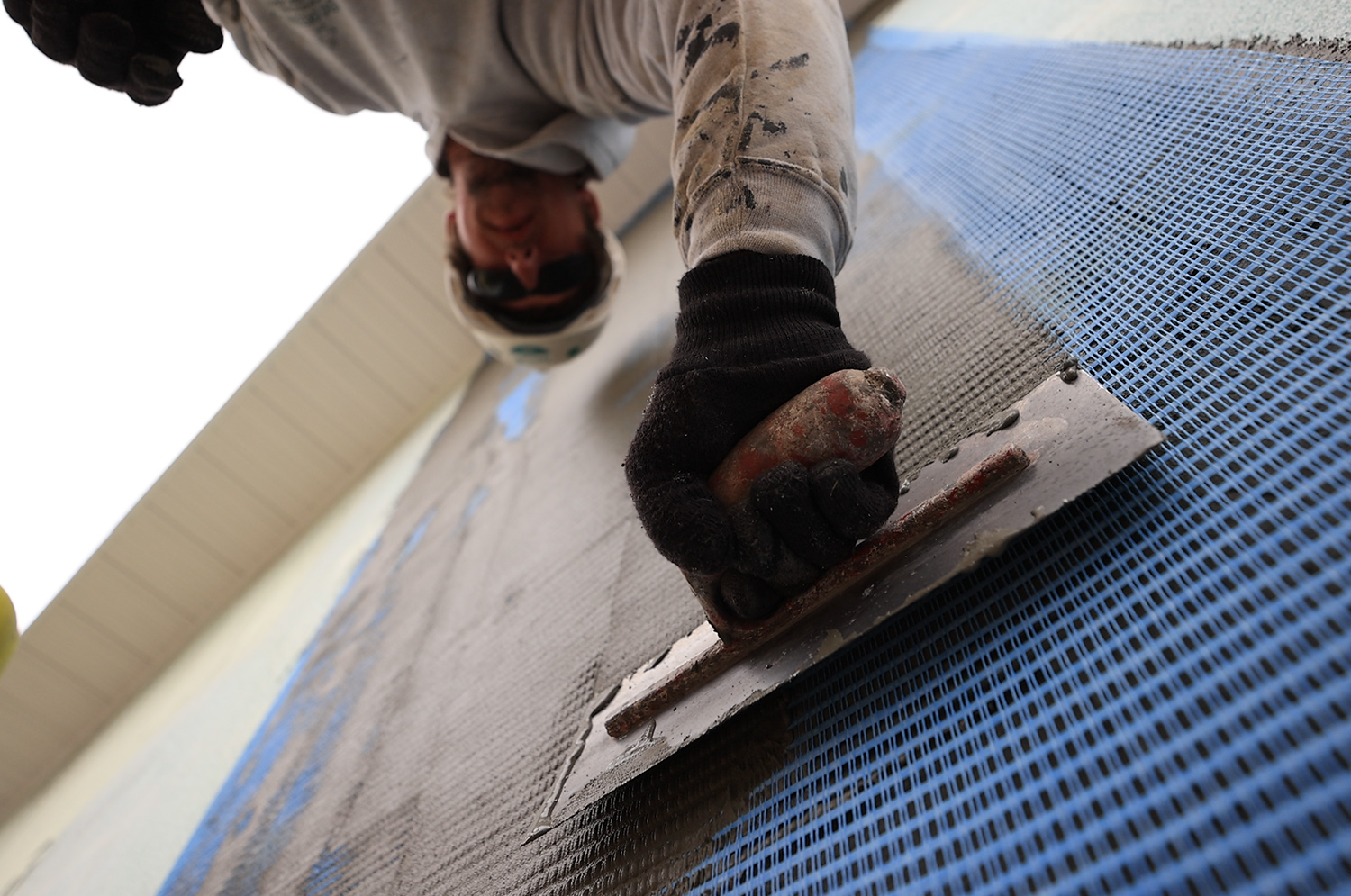
Both standard stucco and StucCoat systems are comprised of cement plaster over a reinforcing layer, such as metal lath, and are commonly used on both residential and commercial buildings. The main difference between the two cladding systems, regardless of whether you opt for the 1- or 3-coat option, is their reliability and versatility. Even with its history, the longevity of traditional stucco is dependent upon the quality of the field-mixing and proper application.
The engineered mixes of Dryvit StucCoat helps minimize these jobsite variations for more consistent performance. These advanced systems also offer greater design flexibility with their array of wall configurations, variety of texture options and over 250 fade-resistant stucco colors, backed by Dryvit’s StratoTone™ pigment technology. Combined with our compatible air- and water-resistive barriers, Dryvit can offer a longer warranty on average than other stucco system providers for added peace of mind for the architect, contractor and building owner.